
VISION AND MISSION
Values
Statements of Faith
1) We believe in one God, eternally existent in three persons: Father, Son and Holy Spirit. These three are co-equal, co-substantial, and co-eternal (I John 5:7; Genesis 1:26; Matthew 3:16-17, 28:19; Luke 1:35; Isaiah 9:6; Hebrews 3:7-11).
2) Man was created good and upright; for God said, "Let us make man in our image, after our likeness." However, man by voluntary transgression fell and thereby incurred not only physical death but also spiritual death, which is separation from God (Genesis 1:26,27; 2:17; 3:6; Romans 5:12-19).
3) Jesus Christ is God the Son, the second person of the Trinity. On earth, Jesus was 100% God and 100% man. He is the only man ever to have lived a sinless life. He was born of a virgin, lived a sinless life, performed miracles, died on the cross for mankind and thus, atoned for our sins through the shedding of His blood. He rose from the dead on the third day according to the Scriptures, ascended to the right hand of the Father, and will return again in power and glory (John 1:1,14, 20:28; 1Timothy 3:16; Isaiah 9:6; Philippians 2:5-6; 1Timothy 2:5).
4) Jesus Christ was conceived by God the Father, through the Holy Spirit (the third person of the Trinity) in the virgin Mary's womb; therefore, He is the Son of God (Matthew 1:18, 25; Luke 1:35; Isaiah 7:14; Matthew 1:18, 23-25; Luke 1:27-35).
5) We believe that salvation is in Christ and Christ alone through repentance, faith in Him, and believing in His resurrection (Romans 10:9-10, 13). This makes a person born-again and capable of receiving eternal life. (John 3:3-5).
6) The Blood that Jesus Christ shed on the Cross of Calvary was sinless and is 100% sufficient to cleanse mankind of all sin. Jesus allowed Himself to be punished for both our sinfulness and our sins, enabling all those who believe to be free from the penalty of sin, which is death (1 John 1:7; Revelation 1:5, 5:9; Colossians 1:20; Romans 3:10-12, 23, 5:9; John 1:29).
7) Jesus Christ was physically resurrected from the dead in a glorified body three days after His death on the cross. In addition, both the saved and the lost will be resurrected; they that are saved to the resurrection of life and they that are lost to the resurrection of eternal damnation (Luke 24:16, 36, 39; John 2:19-21, 20:26-28, 21:4; Acts 24:15; 1 Corinthians 15:42, 44; Philippians 1:21-23, 3:21)
8) Christians are people who have invited the Lord Jesus Christ to come and live inside them by His Holy Spirit. They relinquish the authority of their lives over to him thus making Jesus the Lord of their life as well as Savior. They put their trust in what Jesus accomplished for them when He died, was buried, and rose again from the dead (John 1:12; John 14:17, 23; John 15:4; Romans 8:11; Revelations 3:20).
9) The Scriptures, both the Old and New Testaments, are verbally inspired of God and are the revelation of God to man, the infallible, authoritative rule of faith and conduct (2 Timothy 3:1517; 1 Thessalonians 2:13; 2 Peter 1:21).
10) We believe in a heaven and a hell. The decision on where we spend eternity is ultimately decided by God and God alone as clearly outlined in the Scriptures (John 3:16-18, Romans 3:22-26, 6:23). We believe that paradise (heaven) is received and experienced after death through Jesus Christ alone and His atoning sacrifice. It is reserved for anyone “who calls on the name of the Lord” (Romans 10:13). However, we acknowledge that we pass from death to life now because we have heard and believed in Jesus (John 5:24). We also recognize that the primary message of the early church fathers was not heaven and hell, but declaring the reconciliation between God and mankind that came through Jesus Christ! Our focus is the same.
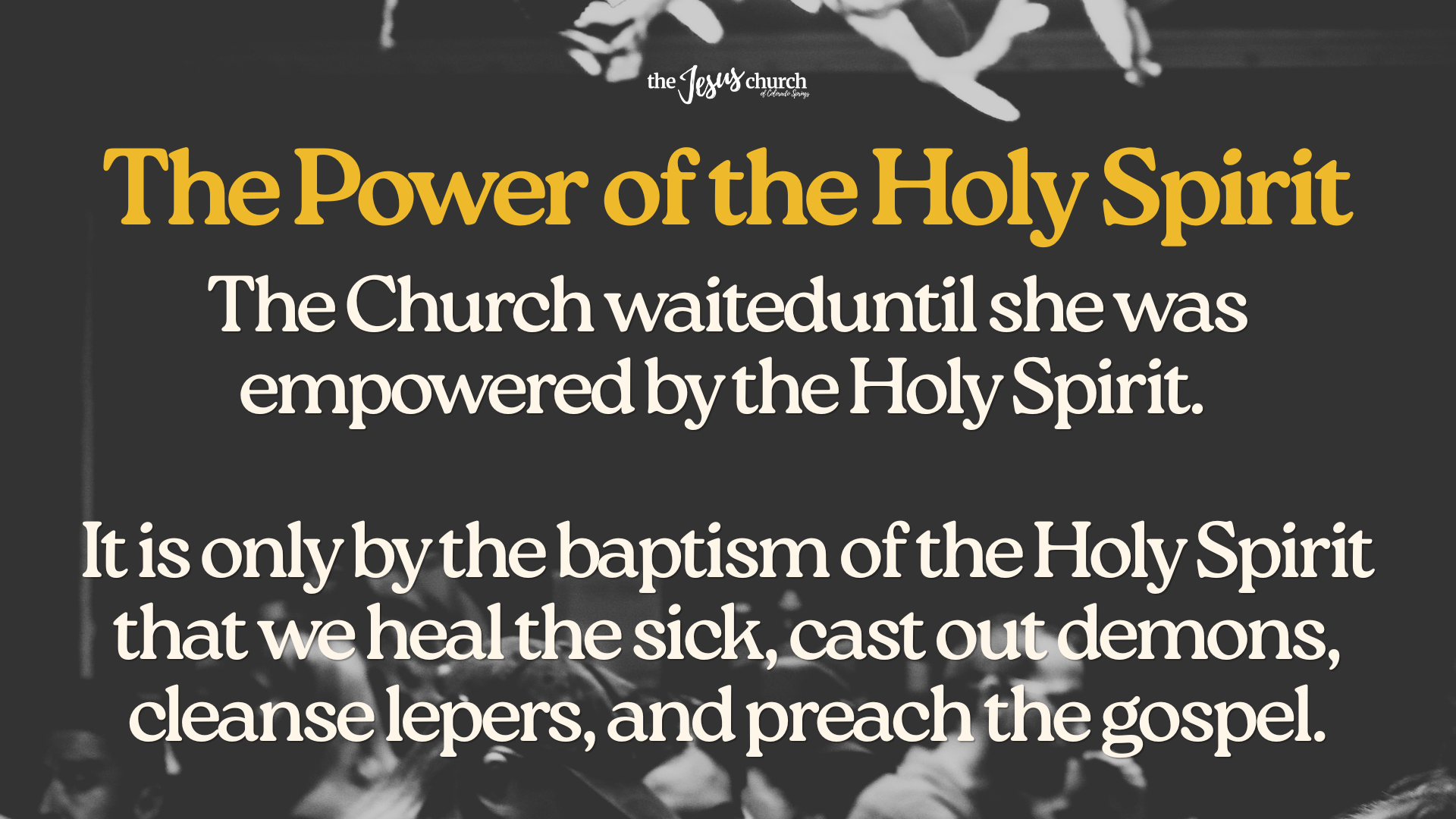
11) All believers are entitled to and should ardently expect and earnestly seek the promise of the Father, the baptism in the Holy Spirit and fire, according to the command of our Lord Jesus Christ. This was the normal experience of all in the early Christian church. With it comes the enduement of power for life and service, the bestowment of the gifts and their uses in the work of the ministry (Luke 24:49; Acts 1:4,8; 1 Corinthians 12:1-31). This experience is distinct from and subsequent to the experience of the new birth (Acts 8:12-17; 10:44-46; 11:14-16; 15:7-9). With the baptism in the Holy Spirit come such experiences as an overflowing fullness of the Spirit (John 7:37-39; Acts 4:8), a deepened reverence for God (Acts 2:43; Hebrews 12:28), an intensified consecration to God and dedication to His work (Acts 2:42), and a more active love for Christ, for His Word, and for the lost (Mark 16:20).
12) Healing of the sick is illustrated in the life and ministry of Jesus, and included in the commission of Jesus to His disciples. It is given as a sign which is to follow believers. It is also a part of Jesus' work on the Cross and one of the gifts of the Spirit (Psalm 103:2-3; Isaiah 53:5; Matthew 8:16-17; Mark 16:17-18; Acts 8:6-7; James 5:14-16; 1 Corinthians 12:9, 28; Romans 11:29).
13) It is the Father's will for believers to become whole, healthy and successful in all areas of life. But because of the fall, many may not receive the full benefits of God's will while on Earth. That fact, though, should never prevent all believers from seeking the full benefits of Christ's provision in order to better serve others.
a. Spiritual (John 3:3-11; 2 Corinthians 5:17-21; Romans 10:9-10).
b. Mental and Emotional (2 Timothy 1:7, 2:11; Philippians 4:7-8; Romans 12:2; Isaiah 26:3).
c. Physical (Isaiah 53:4-5; Matthew 8:17; 1 Peter 2:24).
d. Financial (Joshua 1:8; Malachi 3:10-11; Luke 6:38; 2 Corinthians 9:6-10; Deuteronomy 28:1-14; Psalm 34:10, 84:11; Philippians 4:19).
14) Jesus Christ will physically and visibly return to earth for the second time to establish His Kingdom. This will occur at a date undisclosed by the Scriptures (Matthew 24:30, 26:63-64; Acts 1:9-11; 1 Thessalonians 4:15-17; 2 Thessalonians 1:7-8; Revelation 1:7).
15) Following faith in the Lord Jesus Christ, the new convert is commanded by the Word of God to be baptized in water in the Name of the Father and of the Son and of the Holy Spirit (Matthew 28:19; Acts 2:38).
16) A unique time of communion in the presence of God when the elements of bread and grape juice (the Body and Blood of the Lord Jesus Christ) are taken in remembrance of Jesus' sacrifice on the Cross (Matthew 26:26-29; Mark 16:16; Acts 8:12, 36-38; 10:47-48; 1Corinthians 10:16, 11:23-25).
17) Baptisms by water is a command of Christ for all people who have confessed Jesus as Lord and placed their faith in Him. We may be baptized “in the name of the Father, the Son, and the Holy Spirit,” or “in the name of Jesus.” Baptism was closely related to the salvation experience and is practiced today according to the command of Jesus. It is not merely a public confession of faith. By baptism we mysteriously enter the death and resurrection of Jesus, coming out a new creation and leaving our old man behind. (Matthew 28:19; Mark 16:16; Acts 2:38, 41, 8:12, 19:5-6, 22:16; Romans 6; Colossians 2:12; Galatians 3:17; 1 Peter 3:21)
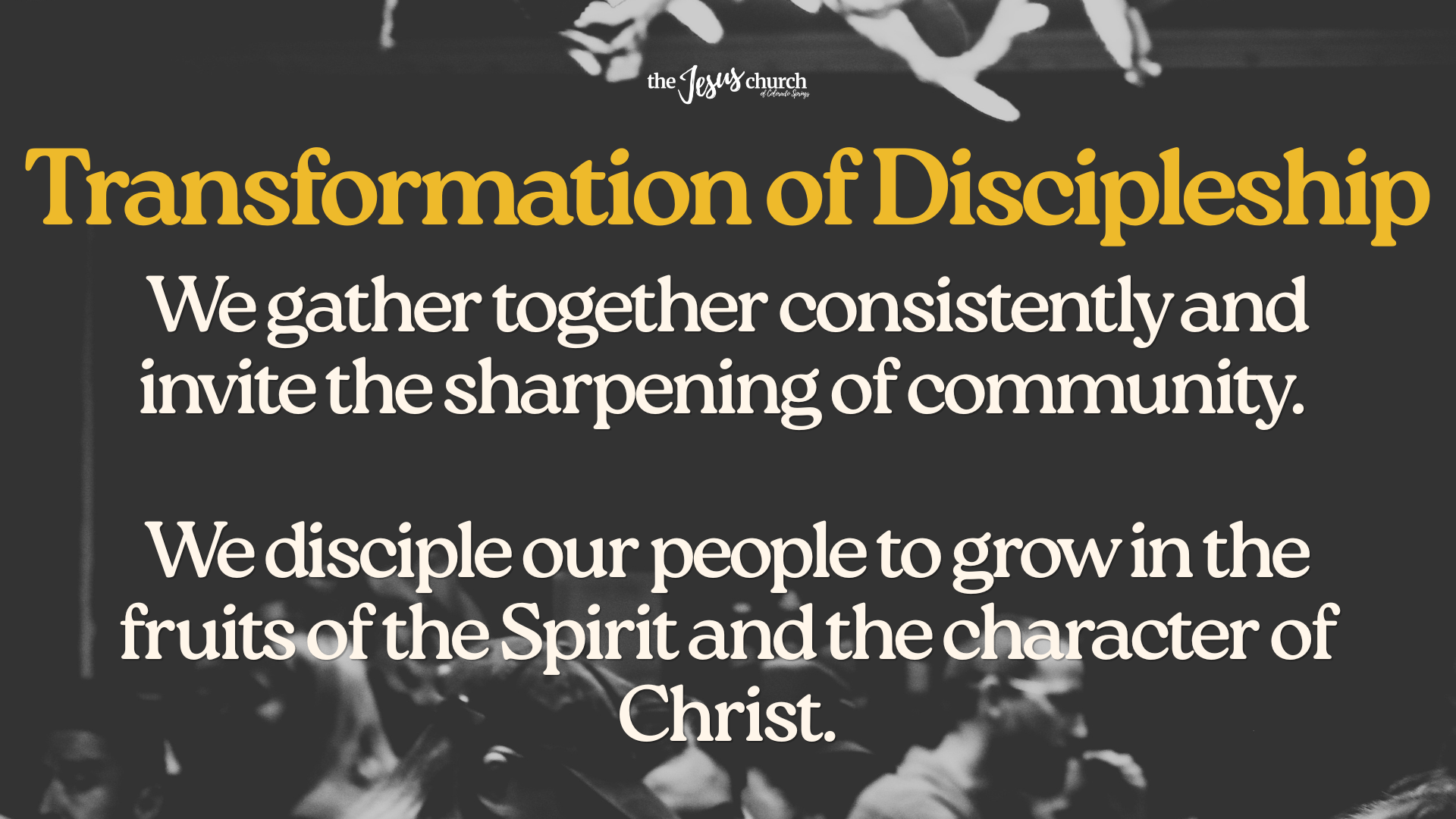
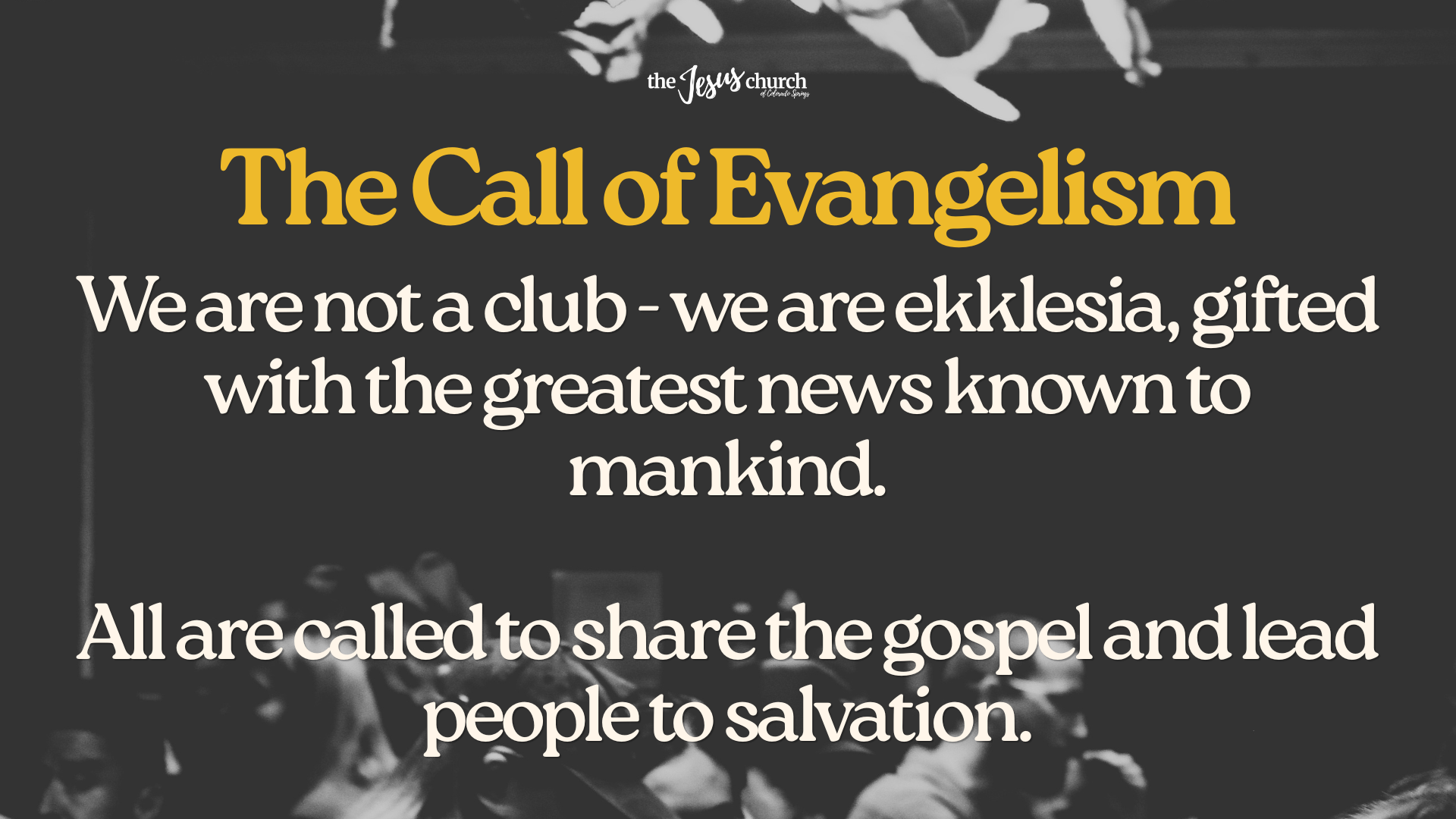
18) The church is the Body of Christ, the habitation of God through the Spirit, with divine appointments for the fulfillment of Jesus' great commission. Every person who is born of the Spirit is an integral part of the church as a member of the body of believers. There is a spiritual unity of all believers in our Lord Jesus Christ (Ephesians 1:22, 2:19-22; Hebrews 12:23; John 17:11, 20-23).
19) God has ordained the family as the foundational institution of human society. It is composed of persons related to one another by marriage, blood, or adoption.
20) Marriage is the uniting of one man and one woman in covenant commitment for a lifetime. It is God's unique gift to reveal the union between Christ and His church and to provide for the man and the woman in marriage the framework for intimate companionship, the channel of sexual expression according to biblical standards, and the means for procreation of the human race.
21) The husband and wife are of equal worth before God, since both are created in God's image. The marriage relationship models the way God relates to His people. A husband is to love his wife as Christ loved the church. He has the God-given responsibility to provide for, to protect, and to lead his family. A wife is to submit herself graciously to the servant leadership of her husband even as the church willingly submits to the headship of Christ. She, being in the image of God as is her husband and thus equal to him, has the God-given responsibility to respect her husband and to serve as his helper in managing the household and nurturing the next generation. Children, from the moment of conception, are a blessing and heritage from the Lord. Parents are to demonstrate to their children God's pattern for marriage. Parents are to teach their children spiritual and moral values and to lead them, through consistent lifestyle example and loving discipline, to make choices based on biblical truth. Children are to honor and obey their parents. (Genesis 1:26-28; 2:15-25; 3:1-20; Exodus 20:12; Deuteronomy 6:4-9; Joshua 24:15; 1 Samuel 1:26-28; Psalms 51:5; 78:1-8; 127; 128; 139:13-16; Proverbs 1:8; 5:15-20; 6:20-22; 12:4; 13:24; 14:1; 17:6; 18:22; 22:6,15; 23:13-14; 24:3; 29:15,17; 31:10-31; Ecclesiastes 4:9-12; 9:9; Malachi 2:14-16; Matthew 5:31-32; 18:2-5; 19:3-9; Mark 10:6-12; Romans 1:18-32; 1 Corinthians 7:1-16; Ephesians 5:21-33; 6:1-4; Colossians 3:18-21; 1 Timothy 5:8,14; 2 Timothy 1:3-5; Titus 2:3-5; Hebrews 13:4; 1 Peter 3:1-7.)